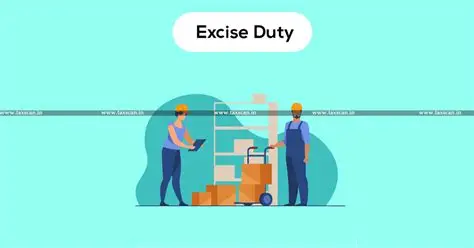
The introduction of excise duty in the UAE marked a significant milestone in the country’s financial and health policy. Implemented as part of the UAE’s broader tax reform strategy, excise duty was introduced to discourage the consumption of products that are harmful to public health or the environment. While the UAE is known for its business-friendly environment and low taxation policies, excise duty plays an important role in aligning the country with international standards of responsible consumption and fiscal sustainability.
The excise duty in the UAE is applied to specific goods such as tobacco products, energy drinks, and carbonated beverages. Over the years, the policy has not only contributed to public health awareness but also to the government’s revenue diversification goals. Businesses across different sectors have had to adapt to new accounting and reporting practices to ensure compliance with the UAE tax rules.
In this blog, we will explore what excise duty in the UAE means, how it works, what goods are taxed, and how companies can stay compliant with the Federal Tax Authority (FTA) regulations. AlphabuDhabi, one of the leading tax advisory firms in the UAE, helps businesses handle all aspects of excise and value-added tax with professionalism and accuracy.
What is Excise Duty in the UAE?
Excise duty in the UAE is a type of indirect tax imposed on specific goods that are considered harmful to health or the environment. This includes products such as tobacco, energy drinks, soft drinks, and electronic smoking devices. The goal is to reduce the consumption of such goods while generating additional revenue to support healthcare and sustainability initiatives.
Unlike income or corporate tax, excise duty in the UAE is applied at the production or import stage, meaning businesses dealing with excisable goods must register with the Federal Tax Authority. The UAE excise tax framework follows international best practices and is designed to be simple, transparent, and effective.
For consumers, this means higher prices on goods that fall under excise tax, but the system aims to promote healthier lifestyles and more responsible purchasing decisions. For businesses, compliance with excise tax in uae is crucial to avoid penalties and maintain legal operations.
Products Subject to Excise Duty in the UAE
The excise duty in the UAE applies to several categories of goods, all of which are deemed to have negative effects on public health or the environment. Below are the major categories:
-
Tobacco products: All forms of tobacco and tobacco derivatives, including cigarettes, cigars, and electronic smoking devices.
-
Carbonated drinks: Includes all soft drinks and soda products but excludes unflavored sparkling water.
-
Energy drinks: Products containing stimulants like caffeine, taurine, or ginseng are taxed at higher rates.
-
Electronic smoking devices and liquids: These were added to the UAE excise tax list in recent years to regulate vaping products.
Each category has a specific tax rate set by the government to discourage excessive consumption and ensure fair taxation.
Excise Tax Rates and Implementation
When discussing excise duty in the UAE, understanding the rates is essential. The government has set clear percentages for different product categories to ensure consistency and transparency.
-
Tobacco products: 100% excise duty.
-
Energy drinks: 100% excise duty.
-
Carbonated drinks: 50% excise duty.
-
Electronic smoking devices and liquids: 100% excise duty.
The rate of VAT in uae remains separate from excise tax; while VAT is applied at a standard 5% on most goods and services, excise tax targets specific products. It’s important to note that excise duty is calculated before VAT, meaning VAT applies on the post-excise price.
This dual-layer taxation ensures that both consumption and sales are regulated effectively. Businesses must account for this when pricing their products and preparing financial reports.
Registration and Compliance Requirements
Businesses that manufacture, import, or store excisable goods must register for excise tax through the Federal Tax Authority’s online portal. The registration process requires companies to provide details about their operations, product types, and storage facilities.
Once registered, companies must file periodic returns and pay excise tax based on their sales and inventory data. Failure to comply with UAE tax rules can lead to significant financial penalties, suspension of business licenses, or legal action.
AlphabuDhabi assists businesses across Abu Dhabi and the UAE with seamless excise registration, return filing, and documentation support. Their experienced consultants ensure full compliance with the FTA’s technical and procedural requirements.
The Role of Excise Duty in the UAE’s Economic Strategy

The excise duty in the UAE serves two primary purposes: to promote healthier lifestyles and to generate sustainable government revenue. Since its implementation, the policy has significantly influenced consumption patterns.
Consumers have reduced their intake of sugary beverages and tobacco products, contributing to the UAE’s long-term health objectives. At the same time, excise revenue supports public projects, healthcare systems, and economic diversification.
This aligns perfectly with Abu Dhabi’s Vision 2030 strategy, which focuses on creating a sustainable and diversified economy that reduces reliance on oil revenues. Through excise tax in uae, the government has achieved a balance between promoting well-being and financial responsibility.
How Excise Duty Differs from VAT
Many people confuse excise duty in the UAE with the Value Added Tax (VAT). While both are forms of indirect taxation, they serve different purposes.
-
Excise duty is imposed on specific goods that are harmful to health or the environment, like tobacco and energy drinks.
-
VAT applies to a wide range of goods and services at a standard rate of VAT in uae (5%), with some exceptions and zero-rated categories.
Excise tax is applied once at the point of production or import, whereas VAT applies at each stage of the supply chain. Together, these taxes ensure comprehensive revenue generation while maintaining fairness in the marketplace.
Challenges Businesses Face with Excise Duty
Implementing excise duty in the UAE has introduced several compliance challenges for businesses. Importers and manufacturers must maintain accurate records, submit detailed returns, and ensure their systems are compatible with FTA requirements.
Common challenges include:
-
Difficulty calculating excise tax correctly on mixed goods.
-
Managing cash flow impacts due to high excise rates.
-
Understanding the difference between excise tax UAE and VAT obligations.
-
Ensuring proper product classification under the excise framework.
To overcome these challenges, businesses often rely on professional assistance from AlphabuDhabi, which provides expert tax advisory and compliance solutions.
How AlphabuDhabi Supports Excise Duty Compliance
As one of the leading UAE tax consultants, AlphabuDhabi provides full-spectrum tax services, including excise and VAT compliance. Their team assists with:
-
Excise tax registration and renewals.
-
Filing accurate excise tax returns.
-
Product classification and tax computation.
-
Handling audits and dealing with the Federal Tax Authority.
With professional support, businesses can avoid compliance risks, reduce penalties, and maintain a transparent financial system aligned with UAE tax rules.
The Future of Excise Duty in the UAE
The excise duty in the UAE continues to evolve as part of the nation’s economic transformation. The government may expand the list of taxable goods in the future to include products that negatively affect public welfare or the environment.
Additionally, digital reporting systems are being enhanced to streamline filing and improve accuracy. Businesses that stay informed and compliant will benefit from smoother operations and improved financial stability.
With ongoing support from professional UAE tax consultants like AlphabuDhabi, companies can prepare for future policy updates and maintain compliance with changing regulations.
Our Services at Alpha Abu Dhabi
At AlphaBudhabi, we are committed to providing a wide range of services that meet the needs of individuals, entrepreneurs, startups, and large companies. Our most prominent services include:
Company Formation
-
Establishing companies within Abu Dhabi and in free zones
-
Preparing contracts and commercial licenses
-
Providing legal and administrative consultations
Issuing visas and residency permits
-
Residence visas for investors, families, and employees
-
Issuing and renewing work permits
-
Procedures for tourist visas and long-term residency permits
Labour Office Services
-
Settling Labour Office Violations
-
Updating employment contracts and amending labour status
-
Issuing new work permits and renewing existing ones
Immigration and Passport Services
-
Assistance in submitting citizenship or golden residency applications
-
Immigration and investment consultations in the UAE and abroad
-
Issuing and renewing passports for some nationalities
Conclusion
The excise duty in the UAE is more than just a tax—it’s a strategic policy aimed at improving public health and diversifying the national economy. By imposing higher taxes on products such as tobacco, soft drinks, and energy beverages, the UAE promotes healthier consumption patterns while ensuring fiscal sustainability.
Businesses must understand their responsibilities under the UAE excise tax regime to remain compliant. With proper planning, accurate record-keeping, and professional guidance from AlphabuDhabi, companies can navigate the complexities of excise and VAT laws with ease.
Whether you are a manufacturer, importer, or distributor, staying updated with the latest UAE tax rules is essential for long-term success.
Communication Methods
For expert assistance with excise and VAT matters, contact AlphabuDhabi today:
-
Email: info@alphabudhabi.com
-
Website: www.alphabudhabi.com
-
Phone: +971561691648
FAQs
What is excise duty in the UAE?
Excise duty in the UAE is a tax imposed on goods harmful to human health or the environment, such as tobacco and energy drinks.
What products are subject to UAE excise tax?
Products like tobacco, carbonated beverages, energy drinks, and electronic smoking devices fall under the UAE excise tax system.
How is excise duty different from VAT?
Excise duty applies only to specific harmful goods, while VAT applies to most goods and services at a general rate of VAT in uae of 5%.
Do small businesses need to register for excise tax in the UAE?
Yes, if they produce, import, or store excisable goods, registration is mandatory.
How can AlphabuDhabi help with excise compliance?
AlphabuDhabi provides registration support, filing assistance, and compliance audits to ensure businesses fully meet UAE tax rules and FTA requirements.